

mpcp.in

Courses

B.Pharm - Bachelor of Pharmacy

Available at Campuses

Mandhana

Total Seats Available

200

Duration

4 Years

About Course

B. Pharm in Bachelor of Pharmacy

Bachelor of Pharmacy is the science and technique of preparing, dispensing and review of drugs and providing additional clinical services. It is a health profession that links health sciences with pharmaceutical sciences and aims to ensure the safe, effective and affordable use of drugs.

Future Global Scope of Pharmacy

1. Employment of pharmacists is projected to grow 6 per cent from 2016 to 2026, about as fast as the average for all occupations. Increased demand for prescription medications will lead to more demand for pharmaceutical services.

2. The Indian pharma sector is expected to generate 58,000 additional job opportunities by the year 2025.

3. Indian pharma market will grow to USD 55 billion by 2020 from USD 12.6 billion in 2009.

Eligibility Criteria


Candidates applying for D.Pharm should have completed 10+2 in the Science stream with a minimum aggregate of 50%. Admission is based on merit, and some institutes may conduct entrance exams.

B.Pharma – 4 Years

Passed 10+2 with compulsory Physics and Chemistry with Mathematics / Biology.


B.Pharma (Lateral Entry) – 3 Years

Passed Diploma examination in a Programme with at least 45% marks (40% marks in case of candidates belonging to reserved category) in appropriate Programme.


Pharmacy @ MPGI


  • We have a staggering amount of 75+ publications amongst our faculty members.
  • Frequent one-month on-field training of students at the manufacturing plants of Alkem Laboratories, Fresenius Kabi, and Wockhardt Pvt. Ltd.
  • We send our students for summer training at Wockhardt Pvt. Ltd., Sentiss Pharma, Panacea Biotec, Dr. Morepen, Dr. Reddy, Galpha Laboratories, etc.
  • Consistent interaction with people in the industry through invited talks and industrial visits.
  • Ability to apply principles and knowledge of Anatomy, Physiology, Pathophysiology, Microbiology, Pharmacology, Food and Nutraceuticals, and Cosmetics for the good health of society.
  • Ability to apply the knowledge of Inorganic Chemistry, Biochemistry, Medicinal Chemistry, Natural and Herbal products, and Pharmacognostical principles for discovery and development of new drugs.
  • Ocular Drug Delivery Systems
  • Transdermal Drug Delivery Systems (including ionophores and sonophoresis) Implants.

Department of Pharmacology

The Pharmacology Department lays strong emphasis on research while imparting education in Human Anatomy, Physiology, Pathophysiology, Pharmacology, Toxicology & other related subjects.

Department of Pharmacognosy

Pharmacognosy is a specific discipline which deals with rapid developments in the knowledge and utilisation of medicinal substances of Biological origin (plants, microorganism and animal products) used for human and veterinary purposes.
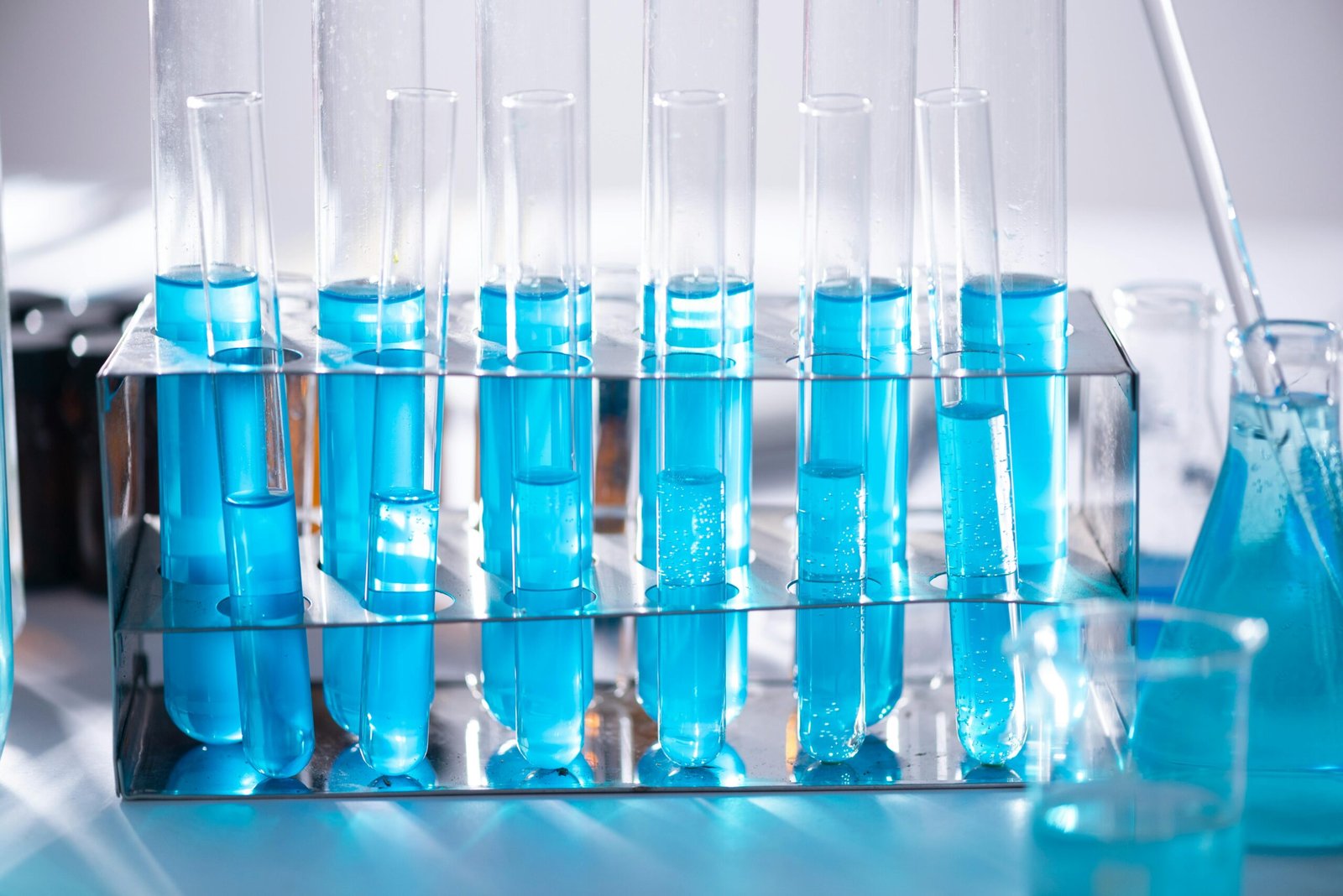
Close-up of blue liquid in test tubes for chemistry experiments in a laboratory setting.

Department of Pharmaceutical Chemistry

Analysis of drugs and pharmaceutical chemicals forms the backbone of Research and Development in the Pharmaceutical Industry.

Department of Pharmaceutics

Pharmaceutics is concerned with the strategies by which biologically active compounds are presented to the body so as to elicit an optimal response. It is that discipline of Pharmacy that deals with all facets of the process of converting a new chemical entity (NCE) into Dosage forms like Tablets, Capsules, Oral Liquids, Ointments, Injectable, Aerosols, Transdermal Patches etc, that can be safely and effectively used in the clinical practice.
pexels-pixabay-356040

Department of Pharmaceutical Microbiology

The study of microorganisms, be it fungus, bacteria or viruses is simply called Microbiology. When microbiological concepts, processes and techniques are applied to pharmaceutical operations, the subject is then called ‘Pharmaceutical Microbiology’. It can be defined as the study of microorganisms that are pertinent to the production of antibiotics, enzymes, vitamins, vaccines and other pharmaceutical products
Lab Facilities

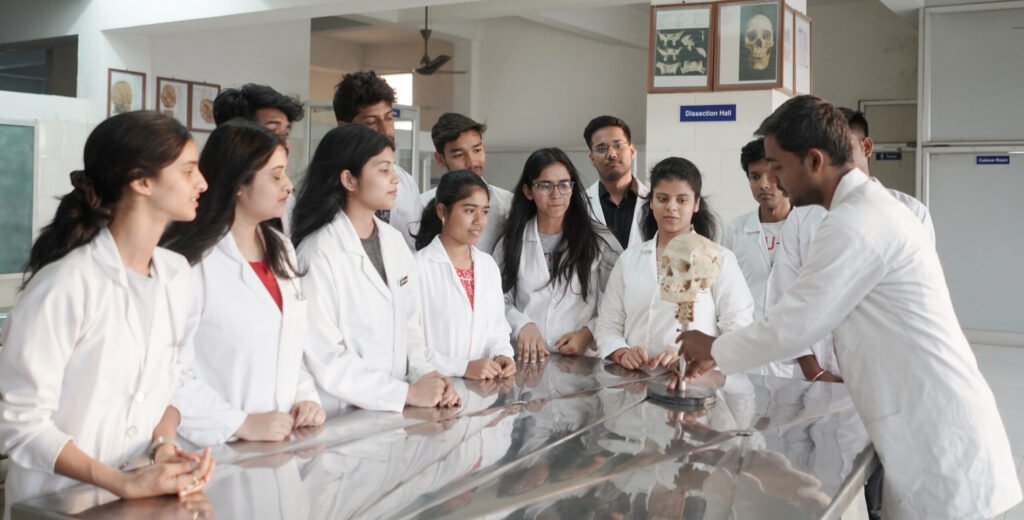
The program provides hands-on experience through well-equipped laboratories, including:
 
  • Pharmaceutical Chemistry Lab: Equipped with instruments for drug synthesis and analysis.
  • Pharmaceutics Lab: Resources for formulation development and quality control.
  • Pharmacology Lab: Facilities for conducting experiments on drug effects and toxicity studies.