
Department of Pharmacology
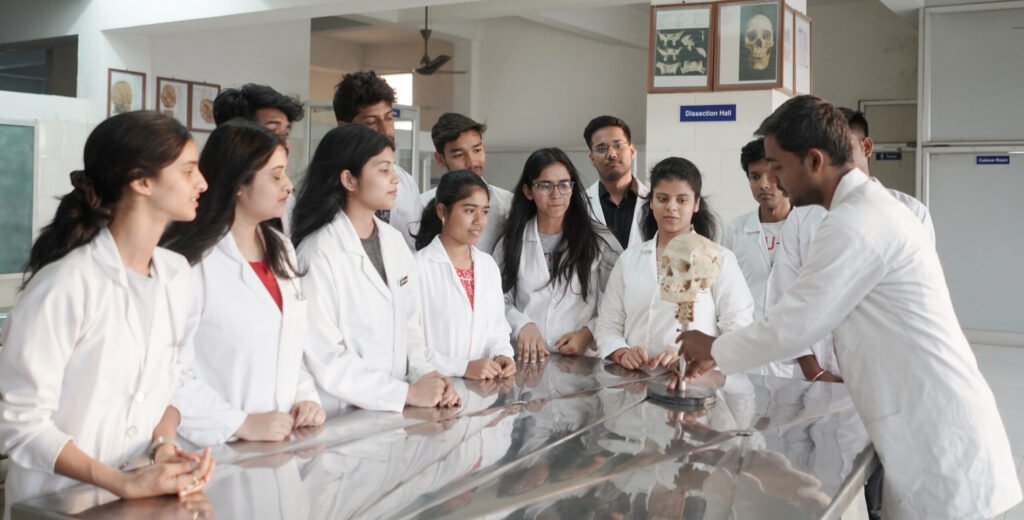
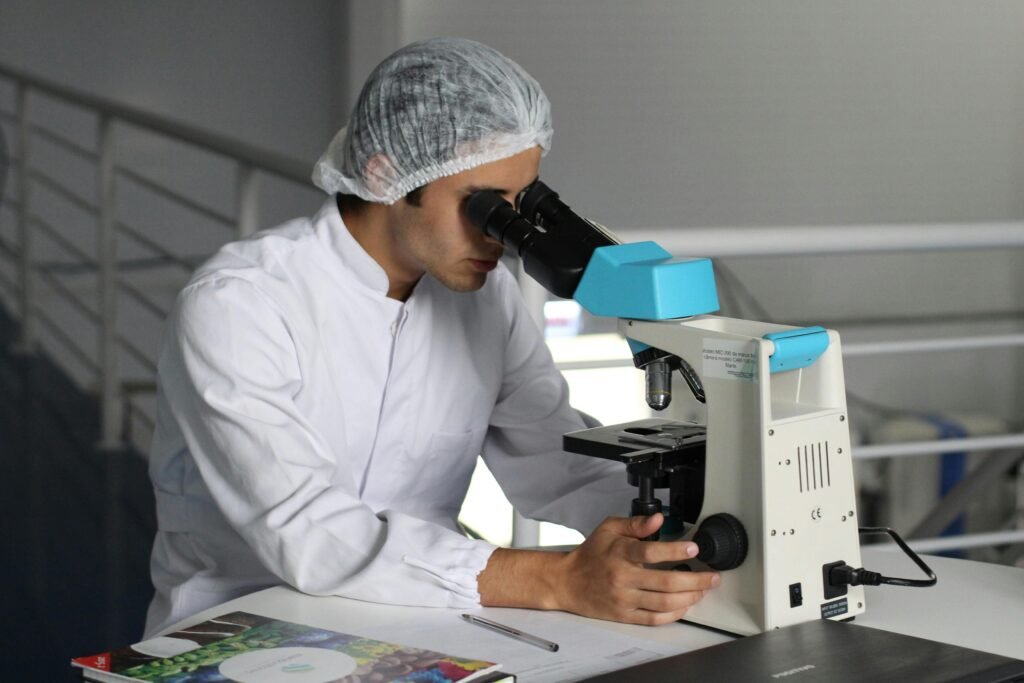
The Pharmacology Department lays strong emphasis on research while imparting education in Human Anatomy, Physiology, Pathophysiology, Pharmacology, Toxicology & other related subjects.

Department of Pharmacognosy
Pharmacognosy is a specific discipline which deals with rapid developments in the knowledge and utilisation of medicinal substances of Biological origin (plants, microorganism and animal products) used for human and veterinary purposes.
Department of Pharmaceutical Chemistry
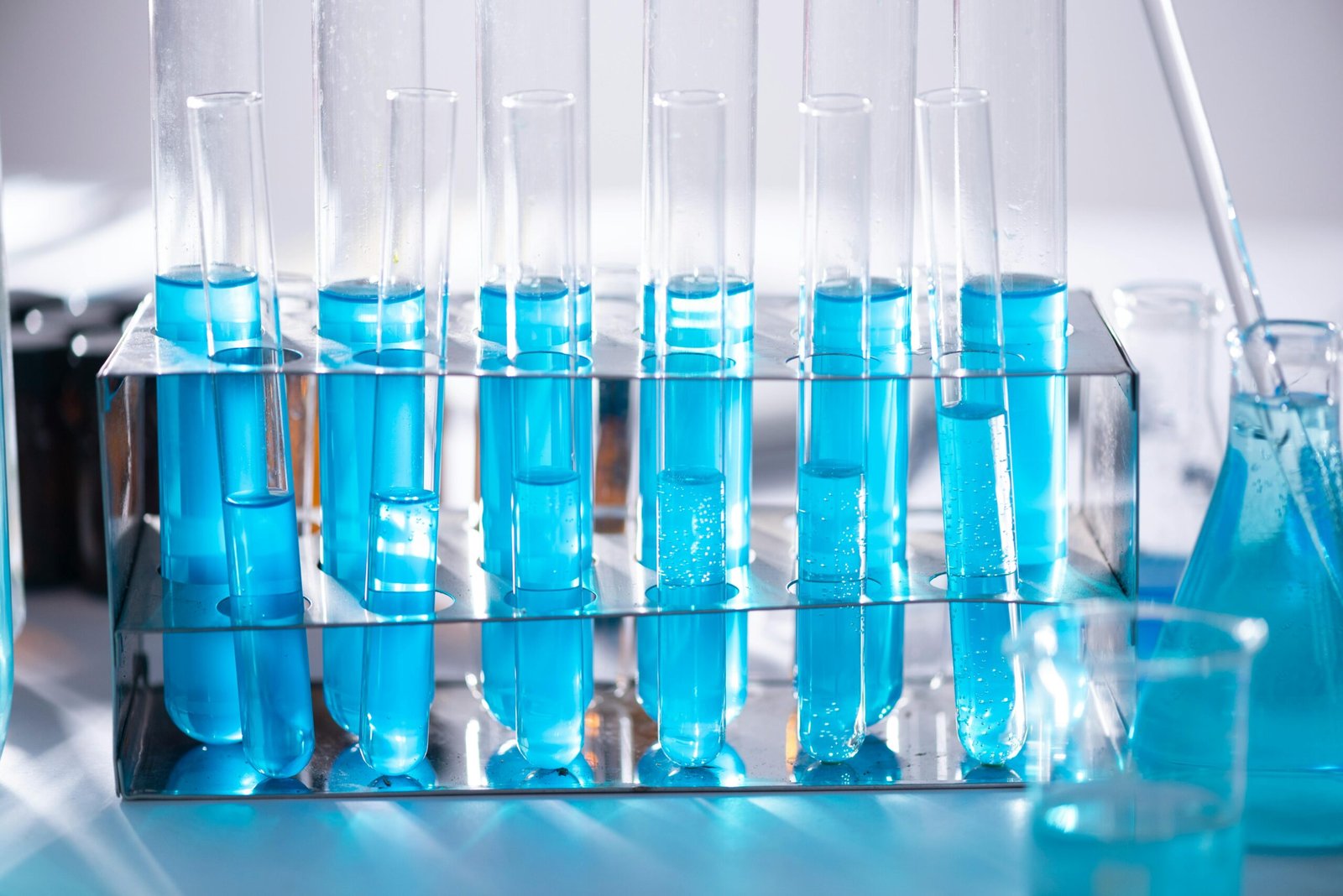
Analysis of drugs and pharmaceutical chemicals forms the backbone of Research and Development in the Pharmaceutical Industry.

Department of Pharmaceutics
Pharmaceutics is concerned with the strategies by which biologically active compounds are presented to the body so as to elicit an optimal response. It is that discipline of Pharmacy that deals with all facets of the process of converting a new chemical entity (NCE) into Dosage forms like Tablets, Capsules, Oral Liquids, Ointments, Injectable, Aerosols, Transdermal Patches etc, that can be safely and effectively used in the clinical practice.

Department of Pharmaceutical Microbiology
The study of microorganisms, be it fungus, bacteria or viruses is simply called Microbiology. When microbiological concepts, processes and techniques are applied to pharmaceutical operations, the subject is then called ‘Pharmaceutical Microbiology’. It can be defined as the study of microorganisms that are pertinent to the production of antibiotics, enzymes, vitamins, vaccines and other pharmaceutical products